Understanding IPTV Service Basics
In an age where streaming has revolutionized how we consume entertainment, Internet Protocol Television (IPTV) is emerging as a crucial player in the broadcasting landscape. IPTV allows users to stream television programs through the internet instead of traditional cable or satellite services. This innovative technology has gained traction due to its flexibility, diverse content offerings, and ease of access. Whether you're an aficionado seeking the latest series or a sports fanatic following your favorite teams, understanding the nuances of IPTV services is essential. When exploring options, IPTV Service provides comprehensive insights into the best providers available today.
What is IPTV and How Does it Work?
IPTV, or Internet Protocol Television, is a system where television services are delivered using the same internet protocol used for computer networks. Unlike traditional broadcast methods, IPTV transmits content through packet-switched networks, allowing viewers to access media in real-time or on demand. The technology relies on a robust internet connection, meaning the quality of the service can vary based on the user's bandwidth capabilities.
Key Benefits of Using IPTV Service
- On-Demand Viewing: Users can select content at their convenience, enhancing the viewing experience.
- Cost-Effective: Typically, IPTV services offer competitive pricing compared to traditional cable subscriptions.
- Diverse Channel Lineup: IPTV services often provide a wide variety of channels, including international options that are not available through standard cable services.
- Multi-Device Support: You can watch IPTV on various devices such as smartphones, tablets, smart TVs, and computers.
How IPTV Differs from Traditional Cable Services
While both IPTV and traditional cable services deliver video content, they operate through different technologies. Traditional cable relies on coaxial cables and satellites, whereas IPTV utilizes the internet. This fundamental difference not only affects installation but also allows IPTV services to offer flexibility in content delivery. IPTV also permits more advanced features like pause, rewind, and record functionality, providing a superior user experience compared to traditional methods.
Evaluating IPTV Service Providers
Choosing the right IPTV service provider is vital to ensuring an optimal viewing experience. With a variety of options available on the market, it's important to know what to look for when selecting a service. Different providers offer varying features, pricing structures, and channel lineups, making careful evaluation necessary.
Top Features to Look for in an IPTV Service
When evaluating an IPTV service, consider the following key features:
- Channel Selection: Ensure the service offers the channels you want, including local networks and international channels.
- Video Quality: Look for services that provide HD or 4K streaming capabilities.
- User Interface: A user-friendly interface can greatly enhance your viewing experience.
- Customer Support: Reliable customer support can help resolve issues quickly.
Comparing Pricing Models and Subscription Plans
Understanding the cost of an IPTV subscription is crucial for consumers. Some services offer monthly subscriptions, while others may provide annual plans that can save you money. It's also worth noting if they offer trial periods, which allow you to test the service before committing to a long-term plan.
Customer Reviews and Ratings: What to Consider
Before choosing an IPTV provider, it's wise to research customer reviews and ratings. Look for feedback regarding reliability, streaming quality, and customer service. Platforms like social media, review websites, and forums can provide insights into the experiences of current users, aiding in your decision-making process.
Setting Up Your IPTV Service
Getting started with IPTV involves a straightforward setup process, but having the right equipment is essential for an optimal viewing experience.
Essential Equipment for a Smooth Experience
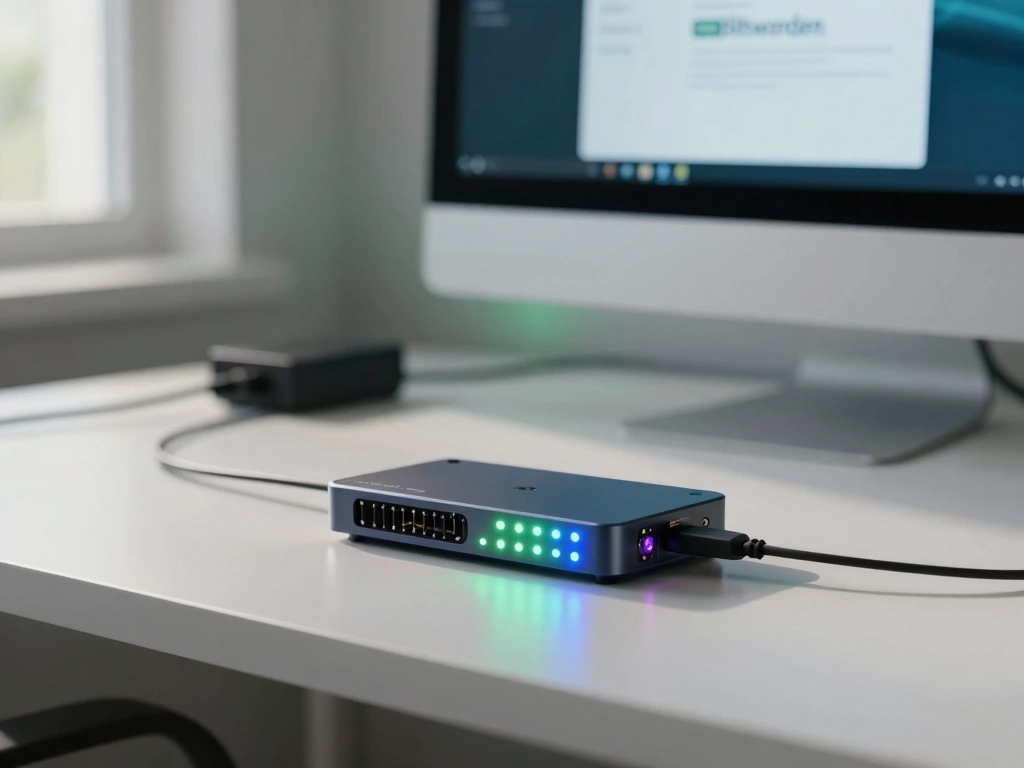
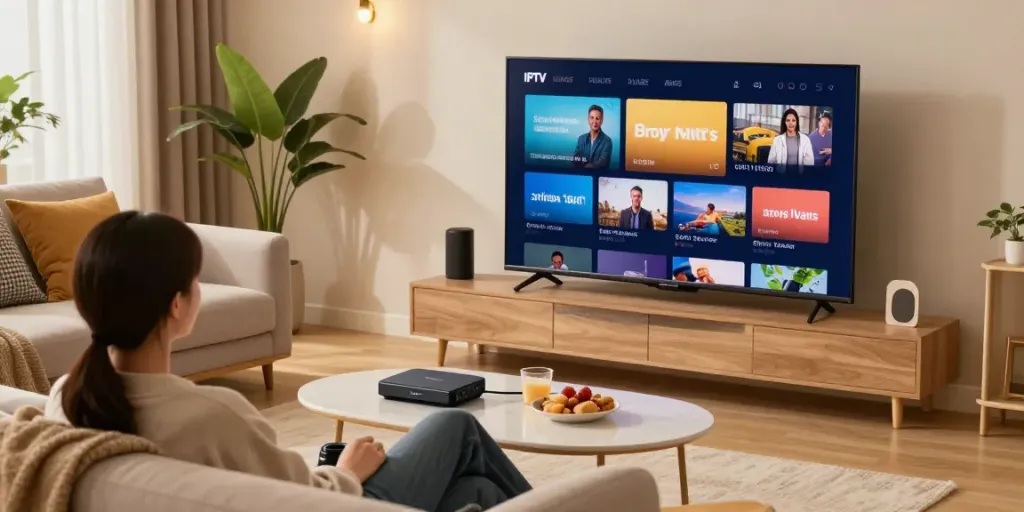
To enjoy IPTV services, you'll need a compatible device, such as a smart TV, streaming device (like Roku or Amazon Fire Stick), or a set-top box. Additionally, a stable internet connection with sufficient bandwidth—ideally at least 10 Mbps—is necessary to avoid buffering during streaming.
Step-by-Step Guide to Installing IPTV
- Choose a Service: Select an IPTV service that suits your needs.
- Sign Up: Create an account and choose a subscription plan.
- Download the App: Install the IPTV app on your device.
- Login: Enter your account details to access the channel list.
- Start Watching: Enjoy your favorite shows and movies!
Troubleshooting Common Setup Issues
If you encounter issues during installation or while streaming, consider the following troubleshooting tips:
- Check your internet connection; ensure it is stable.
- Restart your device or the IPTV app.
- Review your subscription status to confirm active service.
Content and Channel Variety
One of the major appeals of IPTV services is the extensive variety of content available. Understanding the channel lineups and types of content is crucial for a satisfying viewing experience.
Exploring Channel Lineups and Content Types
IPTV providers typically offer a variety of channel lineups, which may include:
- Local channels
- National broadcasters
- Specialty channels (sports, news, entertainment)
Additionally, many services provide access to international channels, catering to diverse audiences.
Importance of On-Demand Content and VOD Options
Video on Demand (VOD) is a significant feature of IPTV, allowing viewers to watch shows and movies at their convenience. This flexibility makes it easier for viewers to catch up on missed episodes or explore new content without being tied to a broadcast schedule.
International Channels: Expanding Viewing Options
One of the standout features of many IPTV services is the availability of international channels. This is particularly advantageous for expatriates or anyone interested in global content, allowing them to stay connected with their home culture while enjoying local programming.
Future Trends in IPTV Services
The IPTV market is evolving rapidly, influenced by technological advances, changing consumer behaviors, and regulatory developments. Understanding these trends can help consumers make informed choices about their viewing options.
Technological Advances Shaping IPTV in 2026
As technology progresses, expect more IPTV services to integrate artificial intelligence (AI) for personalized viewing experiences. This may include advanced recommendation algorithms to suggest content based on viewing habits.
Predictions for Content Delivery and Consumption
Streaming content consumption is projected to grow, with viewers increasingly favoring on-demand services over traditional broadcasting. This shift will likely result in more providers focusing on tailored content and niche offerings.
How Regulatory Changes Might Affect IPTV Services
Regulatory frameworks surrounding IPTV services are continually evolving. As governments establish clearer guidelines, consumers should stay informed about any potential impacts on service availability and legal compliance.
Is IPTV legal in the USA?
The legality of IPTV services in the USA can vary. Legal IPTV providers acquire the rights to distribute content, much like traditional cable companies. However, many free or very low-cost services may operate in a legal gray area, potentially exposing users to risks.
How much does an IPTV subscription cost?
IPTV subscription costs can vary significantly based on the provider, with prices typically ranging from $10 to $50 per month. Some services offer packages that include premium channels, while others provide a more basic service.
Can I get IPTV in the USA?
Yes, numerous IPTV services are available in the USA. If you're interested in cutting the cord, there are many reliable providers to choose from, catering to various viewing preferences.
What are the best IPTV services currently available?
Some of the top-rated IPTV service providers for 2026 include YouTube TV, Hulu + Live TV, and Fubo. These services offer extensive channel lineups, high-quality streaming, and additional features that enhance the viewing experience.
How to determine the reliability of an IPTV provider?
To assess the reliability of an IPTV service, consider factors such as uptime, customer reviews, and the breadth of customer support options. A provider with a strong track record and positive user feedback is often a good choice.